Source Foldable Washable Kids Sofa for Living Room, Bedroom, and School
Explore 30 options for a foldable washable kids sofa designed for home and educational use. Compare features like memory foam padding, low back styles, and modern designs to find the right fit for your sourcing needs; compare the available evidence and request quotations based on your requirements.
Key considerations
Products List


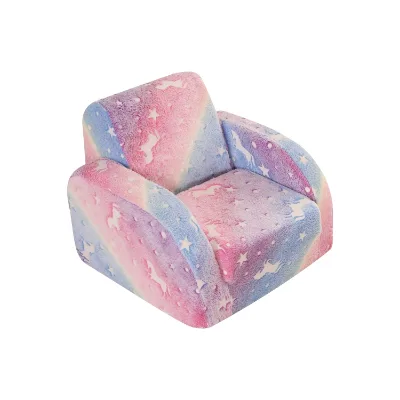
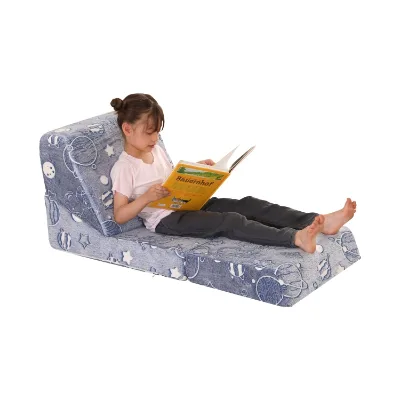
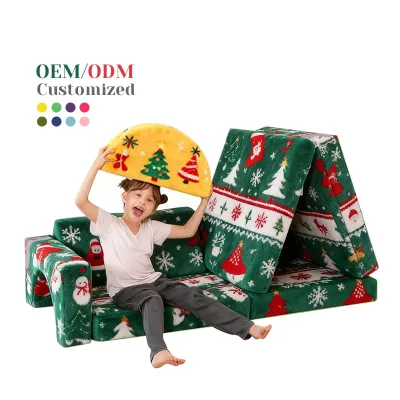
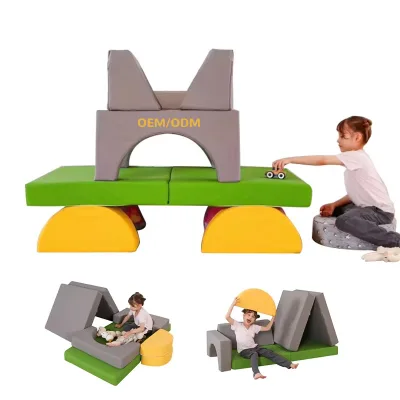
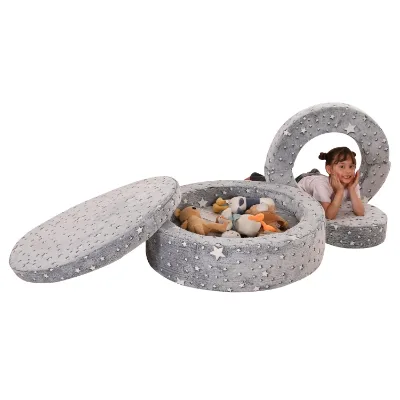
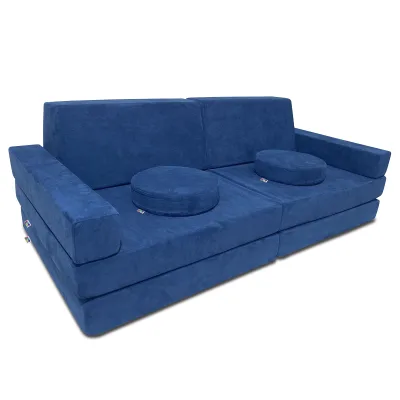
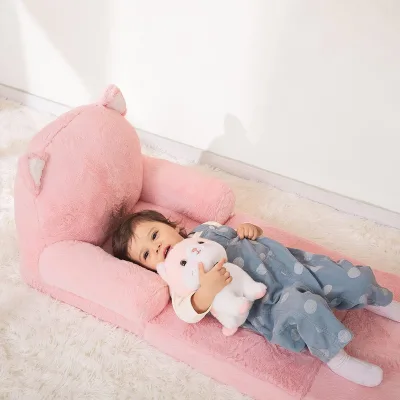
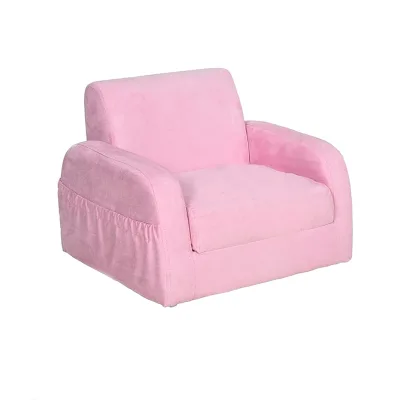





Comprehensive Sourcing Guide
Foldable Washable Kids Sofa Sourcing Guide
Procuring a foldable washable kids sofa requires balancing durability with the specific hygiene needs of young children. The observed market data indicates that these units are frequently constructed with fabric covers and sponge padding, offering a soft surface suitable for active play. Buyers must verify that the "washable" attribute is genuine, ensuring the fabric can withstand repeated cleaning without degrading the structural integrity of the underlying foam.
The product scope extends beyond simple seating to include versatile applications in living rooms, schools, and outdoor leisure facilities. While some listings specify a "Chinese" design style or "cartoon" aesthetics, the functional requirement remains consistent: providing a safe, low-back seating option for children aged two and above. Sourcing teams should prioritize models that explicitly state "non-inflatable" construction to ensure stability during use, avoiding the risks associated with air-filled furniture in high-traffic play areas.
Product Scope and Observed Listing Signals
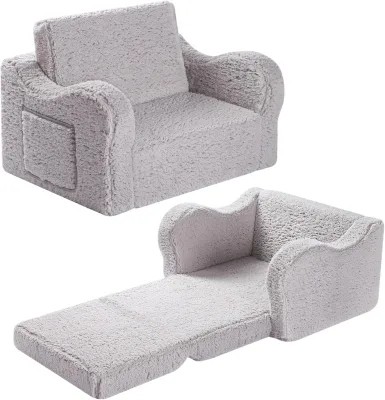
Buyers should scrutinize the specific material composition listed in product descriptions, as the supply chain shows a mix of fabric, memory foam, and high-resilient sponge fillings. The presence of "wood" as a frame material in some listings suggests a rigid internal structure, while others may rely on dense foam cores. It is critical to confirm whether the "foldable" mechanism is a structural feature or merely a packaging method, as this distinction impacts the long-term usability and portability of the unit.
Listing signals also reveal a wide variance in packaging standards, ranging from vacuum compression to standard carton packing, which directly influences shipping costs and product condition upon arrival. Some suppliers indicate a "split back" design, which may offer enhanced comfort or modularity, while others provide a solid, single-piece construction. Procurement teams must cross-reference these visual and descriptive signals with physical samples to ensure the "light gray" or other color options match the intended aesthetic for the target environment.
Technical Specifications to Verify
Technical verification must begin with the physical dimensions and seating capacity, as observed listings show sizes like 46x46x40cm and seating capacities for two persons. Buyers need to confirm that the single package size, such as 85x30x30 cm, aligns with their logistics constraints and storage capabilities. The "low back" height is a key safety feature for young children, but it must be validated against the specific age range of the intended users to ensure proper ergonomic support during play.
The structural integrity of the "foldable" mechanism is another critical technical parameter that requires rigorous testing. While some products are described as having a "cartoon" design style, the underlying engineering must support repeated folding and unfolding without compromising the "sponge" padding or the fabric cover. Buyers should request detailed diagrams or videos demonstrating the folding process to ensure the mechanism is robust enough for daily use in settings like schools or malls where frequent movement is expected.
Compliance and Safety Documentation
Safety compliance is paramount when sourcing furniture for children, and buyers must demand evidence of fire retardant standards such as ANSI E. Although some background knowledge suggests EN71 or ASTM F963, the primary verification should focus on the specific fire safety certifications explicitly listed in the product data. The "washable" nature of the fabric also necessitates verification that cleaning agents do not degrade the fire-retardant treatments applied to the material.
Documentation regarding hazardous substances is equally essential, with specific references to EN standards for hazardous substance testing appearing in the supply data. Procurement teams should ensure that the "high resilient sponge" and other filling materials are free from harmful chemicals that could pose a risk to children. It is advisable to request a comprehensive test report that covers both the fabric and the internal foam to confirm that the product meets the safety expectations for environments like homes, parks, and sports venues.
Cost Drivers and Commercial Terms
The cost of a foldable washable kids sofa is heavily influenced by the complexity of the customization options and the specific material choices. Listings indicate that customization is available, which can significantly alter the unit price depending on the design style, color, or branding requirements. Buyers should anticipate that "memory foam" or "high resilient sponge" fillings will command a higher price point compared to standard foam alternatives, reflecting the enhanced comfort and durability these materials provide.
Commercial terms such as Minimum Order Quantity (MOQ) and lead times vary widely across the market, with observed ranges from 2 to 500 units and specific listings citing an MOQ of 100 pieces. The "vacuum compression" packing method mentioned in some listings can reduce shipping volume and costs, but it may also require specific handling instructions to ensure the foam recovers its shape upon unpacking. Negotiating these terms requires a clear understanding of the total landed cost, including potential tariffs and the impact of the "China" origin on supply chain logistics.
Supplier Qualification and Quality Control
Supplier qualification should focus on their ability to consistently deliver products that meet the "new" condition and specific material specifications observed in the market. Buyers must verify that the supplier has a robust quality control process to ensure the "fabric" covers are securely attached and that the "wood" frames, where applicable, are free from splinters or structural weaknesses. The "Jiangsu, China" origin suggests a concentration of manufacturing expertise, but individual factory audits are necessary to confirm adherence to these standards.
Quality control protocols must also address the "washable" attribute, ensuring that the fabric can be cleaned repeatedly without fading or tearing. Suppliers should provide clear instructions on maintenance and demonstrate that their products can withstand the rigors of use in "living rooms," "bedrooms," and "schools." It is essential to establish a clear communication channel for addressing any defects, particularly regarding the "split back" or "foldable" mechanisms, to prevent operational disruptions in the buyer's facilities.
Long-Term Procurement Checks
Long-term procurement success depends on establishing a reliable supply chain that can maintain consistent product quality over time. Buyers should implement a schedule for periodic re-inspection of the "foldable" mechanisms and fabric integrity to ensure that the products continue to meet safety and performance standards. The "application" range, which includes "babies and kids" to "sports venues," requires furniture that can withstand diverse environmental conditions and heavy usage patterns.
Continuous monitoring of supplier performance is crucial for managing risks associated with the "customized" nature of these products. Buyers should track the consistency of the "light gray" color and other design elements to ensure brand alignment across multiple orders. Additionally, maintaining a relationship with the supplier for potential updates on new materials or safety standards will help the procurement team stay ahead of regulatory changes and market trends in the children's furniture sector.
FAQs
Can I customize the design of a foldable washable kids sofa?
Yes, customization is available for these sofas. Buyers can request specific styles, such as Chinese or cartoon designs, to match their target audience. The product is made from fabric and sponge padding, allowing for tailored aesthetics while maintaining the core washable and foldable functionality required for children's furniture.
What materials are used in the foldable washable kids sofa?
The sofa typically uses fabric for the outer cover and sponge or memory foam for the filling material. This combination ensures the seat is soft and comfortable for children while remaining durable. The frame is often constructed from wood, providing structural stability, and the entire unit is designed to be washable for easy maintenance.
What is the minimum order quantity for these sofas?
The minimum order quantity varies by supplier but generally ranges from 2 to 500 pieces. Some listings specify an MOQ of 100 pieces. Buyers should check individual supplier profiles for exact requirements, as bulk orders often benefit from more competitive pricing and flexible customization options for large-scale procurement projects.
Are these sofas suitable for outdoor or school use?
Yes, these sofas are suitable for various applications including living rooms, schools, malls, and parks. They are designed for kids playing and soft seating. The washable fabric and durable sponge filling make them practical for high-traffic environments like schools and leisure facilities where hygiene and durability are essential for long-term use.
How is the foldable washable kids sofa packed for shipping?
The sofa is typically packed in cartons or via vacuum compression to save space. Single package dimensions vary, with some measuring around 85x30x30 cm. This efficient packing method reduces shipping costs and protects the product during transit, ensuring it arrives in new condition ready for immediate use or display in retail settings.
What is the origin of these foldable washable kids sofas?
These sofas are primarily manufactured in China, with many suppliers located in Jiangsu province. This region is known for its robust furniture manufacturing industry. Buyers can source directly from these origins to benefit from established supply chains, competitive pricing, and a wide variety of design options tailored for international markets.